Dear Bean

The humble bean is, intrinsically, all about potential.  For anyone working in education, icons of potential are irresistible fodder.  If all is right within the bean, we need not worry: it will grow magnificently, in the right conditions. 

The Humble but Glorious Bean

Outwardly, a bean is a very simple thing from which many good things come. Coffee; chocolate; baked beans (wrongly named but still delicious).  Beans are great wholesome foods full of plant-based protein and fibre.  Admittedly, they can bring some gusty after-effects, but nothing is perfect.

The bean has, for centuries and across many civilisations, been the preferred medium for learning to count.  Beans are mathematical icons. The abacus would have been strung with beans.  Although accountants with a tendency to pedantry are sometimes referred to pejoratively as bean counters, the humble bean is a positive symbol of accuracy and diligent learning.
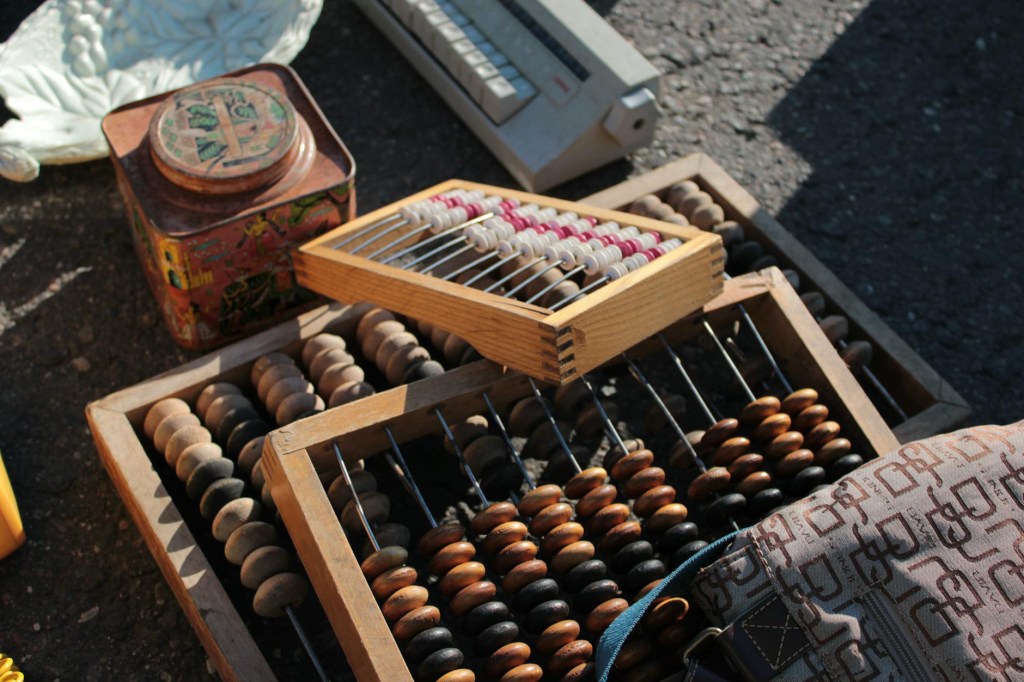
Bean Counters

In ancient Greece, beans were instruments of democracy. The practice of using beans for voting dates back to the city-states, where citizens gathered to make decisions on public matters. Voting was often conducted in a way that preserved secrecy and fairness, and beans provided a simple, practical solution.  Typically, two types of beans were used: white beans for approval and black beans to reject. Citizens would cast their vote by placing a bean into a jar or urn.
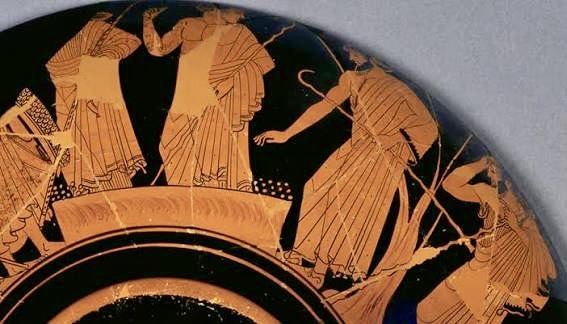
Casting Votes with Beans in Ancient Greece

The symbolism was powerful: a single bean could determine a person’s fate or influence the direction of a city-state. This system emphasized equality—every citizen’s bean counted the same, regardless of wealth or status. It was an early example of participatory governance, showing how simple objects could uphold democratic principles and civic participation.  So, the bean is a symbol of democracy – respect for individual opinions – and the right to privacy. The phrase ‘to spill the beans’ comes from this ancient democratic context.


The English fairy tale, ‘Jack and the Beanstalk’, is a standard in the festive Panto season in the UK.  Jack, a poor country boy, trades the family cow for a handful of magic beans, much to the dismay of his widowed mother.  However, the beans grow into a massive beanstalk reaching up into the clouds. Jack climbs the beanstalk and finds a road that leads to a big house, with a tall woman standing outside. He asks for breakfast and she gives him some, but warns that he might become breakfast himself if he is not careful, as her husband is an ogre with a savage appetite.   While Jack is eating, the ogre comes home.  The woman tells Jack to hide in the oven.
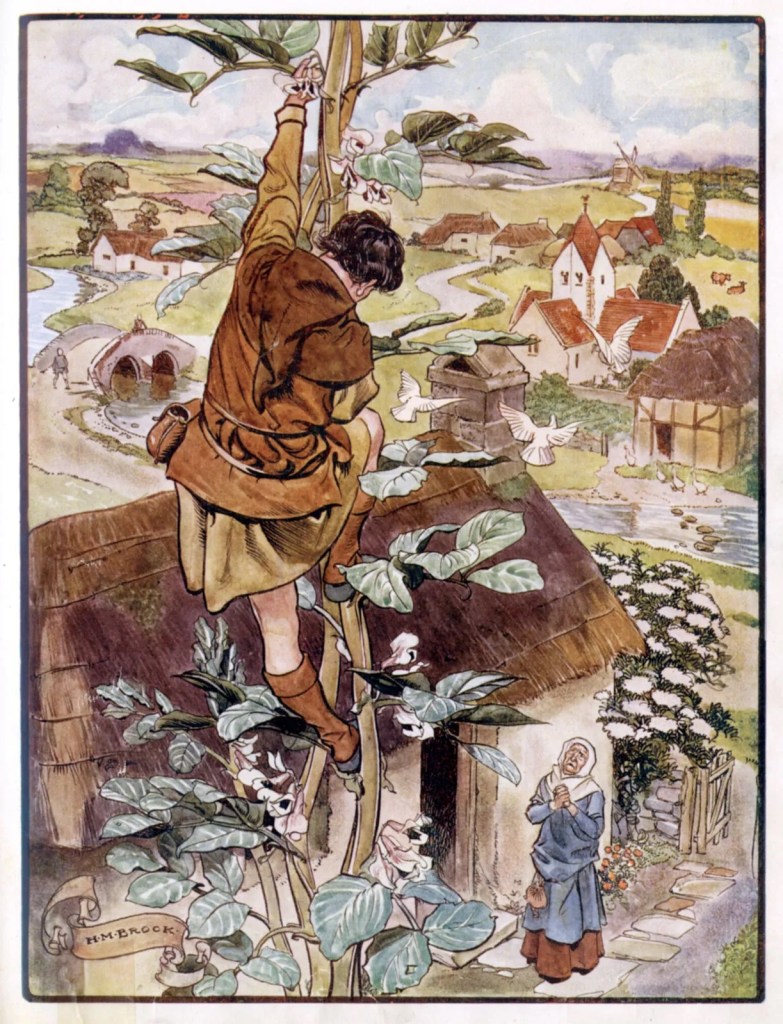
Jack Climbs the Beanstalk

Sensing the boy’s presence, the ogre cries his famous “fee-fi-fo-fum”.  However, the ogre’s wife, who has rapidly formed a liking for Jack, distracts her giant husband with a lavish breakfast of three broiled calves.  Afterwards the ogre takes out some bags of gold. Counting the gold, he falls asleep. Jack creeps out of his hiding place, takes one of the bags, and climbs down the beanstalk. He gives the gold to his mother, who is very happy. They live well for some time, until it is almost used up.

Jack decides to try his luck once more and climbs up the beanstalk. Again he meets the woman at the doorstep and asks her for breakfast. While he is eating, the ogre returns and Jack quickly hides in the oven. Again the ogre suspects that somebody is there, but again his wife deceives him, allowing Jack to hide.  After breakfast, the ogre asks his wife for “the hen that lays the golden eggs”. He says “Lay!” and the hen lays an egg of pure gold. The ogre falls asleep, and Jack takes the hen and climbs down the beanstalk.

Though Jack and his mother now have an inexhaustible source of golden eggs, Jack is not content. He climbs the beanstalk for the third time. He avoids the ogre’s wife, slipping into the house unseen and hiding in the wash-house boiler.  When the ogre comes home, he once more cries out “Fee-fi-fo-fum”, suspecting someone is there. His wife, rediscovering her marital loyalty, suggests that the little rogue that stole both his gold and lucrative hen may be hiding in the oven. But when they find the oven empty, the ogre eats his breakfast, then asks his wife to bring him his golden harp which sings beautifully when he orders it to “Sing!”

Once the easily-fatigued ogre has again fallen into a post-prandial slumber, Jack takes the harp and starts to leave, but the harp is a talking harp, loyal to the ogre, and calls out “Master! Master!” The ogre wakes up and sees Jack running away and pursues him. Jack nimbly climbs down the beanstalk, then asks his mother to bring an axe. He chops down the beanstalk and the ogre falls to his death. Jack and his mother are now very rich. They live happily ever after, which includes Jack’s inevitable fairy tale ending: marrying a princess. 


Magic Beans?

The positive spin on this story is that Jack’s adventure is all about the rewards for curiosity, courage and ambition. Jack dares to take a risk, trading the cow for mysterious and allegedly magic beans, and that bold choice leads to extraordinary opportunities. His climb up the beanstalk symbolizes striving for something greater, reaching beyond the ordinary. Jack’s resourcefulness and bravery in facing the giant suggest that challenges can be overcome with grit and determination. That small beginnings (like a bean) can lead to big outcomes.

However, the story is problematic.  Should we really admire Jack’s daring gamble in swapping a cow for some magic beans?  Should we actually celebrate his craft in stealing from the ogre in the land above the magical beanstalk?  Or should we view him as reckless and greedy?  Is the ogre, in fact, just misunderstood? 

The tale rather glosses over the morality of Jack’s actions. Jack steals from the giant: gold coins, a hen that lays golden eggs, and a magical harp. While the giant is portrayed as fearsome, we don’t get his side of the story – what it’s like to be an ogre whose space is invaded and possessions taken; he’s an ogre, a giant who, we are expected to say, deserves to be outwitted because he is different and threatening – even when you break into his house and sweet-talk his wife.   This tale suggests that cleverness and daring justify dishonesty, which is a problematic lesson.   

We might also question the loyalties of the ogre’s wife which sway rather easily to favour the young lad from the land below.  Or, we might view her as a victim too – of unhealthy masculinity of different types.  Or what about the post-colonial lens?  Jack, the imperial conqueror plundering treasures from foreign lands; the ogre the ignorant savage.


Should we, in fact, admire Jack?  Would it not be more admirable if Jack’s success had come through integrity, not exploitation and deception.  We might also worry that the story romanticizes risk without considering consequences.  Jack acts impulsively, and things could have ended very differently.

Should we fear and vilify the ogre?  Ever since the appearance of Shrek, ogre PR has been on the up.  However, this tale suggests that anything non-human and strange is not to be trusted.  Even if it’s minding its own business when you come bundling into its domain.

Now, you might say, it’s just a fairy story – a Christmas panto – and I’m being a boring killjoy labouring over the meaning of the tale.  But… the stories we tell shape the way view the world.  The accounts we accept (fictional or real), without critical reflection become our world; the heroes we promote and the villains we push away.  

Later versions of this fairy tale add some previous villainy to the giant’s rap sheet – eating oxen and little children – to make us feel more comfortable with Jack’s actions.  Although Jack is essentially a vigilante on the make, it seems much more acceptable that he robs and kills an ogre who has himself been wicked.  But, in the original, he is really targeted for being big, different, well-off and from another land.  Not the best justification for stealing his livelihood and ultimately knocking him off.


Jack’s tale might urge us to dream big and take a few risks.  No bad message as we start a new year, I suppose.  Reflecting with a more critical eye, it may also suggest that we temper our ambitions, and pursue them with a more measured and collaborative spirit, with honesty and responsibility.  Good things come through effort as much as through daring. 

Surely, it is better to accomplish our aims through collaboration and hard work, rather than shortcuts and deceit. In climbing our various ‘beanstalks’, we should pursue our goals boldly, but with fairness, kindness and respect for others.  

In other words, just as ‘Beanz Meanz Heinz’, being fully human means being fully humane beans.


Notes

This letter was written on 6 January (The Feast of Epiphany, a time of gifts).  It was a kind of epiphany to learn that there’s a day set aside especially for celebrating the bean in all its many, simple glories.  6 January is also National Bean Day.  

The iconic advertising slogan ‘Beanz Meanz Heinz’ was created in 1967 by copywriter Maurice Drake.  There are more than 57 Heinz varieties, but founder Henry J Heinz, who formed the company in 1896, thought the number 57 had a good feel to it – and it combined his and his wife’s ‘lucky numbers’.
Dear Hand-Written Thing

When I was at school, one of the things I did in (rare) dull moments was to practise my signature. As a teenager, I tried all kinds of floral swirls and cryptic variations of my initials.  I quietly admired the signatures of famous people. (Kurt Vonnegut’s was my favourite: part-signature, part self-portrait). In the end, I got tired of pretending to be someone else and just wrote my name in my own handwriting.

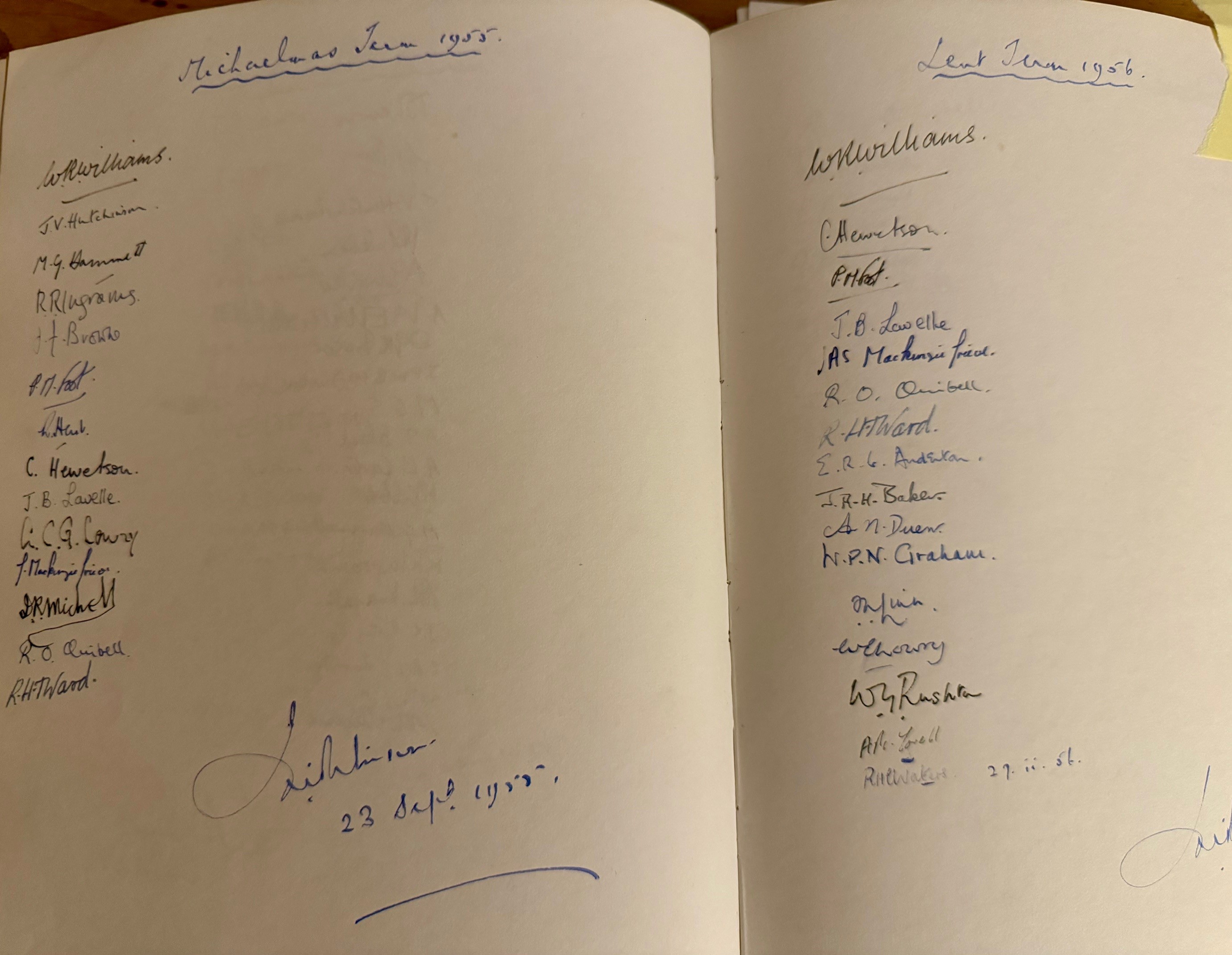
Each year, our School Prefects – or Praepostors as we call them – sign their names in the Praepostor book. The most recent volume has signatures going all the way back to 1913. Their chief responsibilities are to ‘set the tone of the School’ and look after the younger pupils. Leafing through the book, we can see the handwriting of generations of Salopian leaders. And indeed 12 Headmasters.

On the pages for Michaelmas 1955 and Lent 1956, if we look closely, we can see the names of three of the four founders of the long-running satirical magazine ‘Private Eye‘, who were each pupils at Shrewsbury.

Can you spot the hand-writing of Richard Ingrams, Paul Foot and Willy Rushton?

Handwritten letter-writing is not so much of a thing these days. Email, vlogs, texts and all manner of digital communications prevail – and wonderful ideas and messages can be shared in these ways (as well as the less good stuff).

I’m all in favour of communication in all forms. However, there is something a bit special about a hand-written letter. Perhaps even more so nowadays because of its rarity. If we really want to convey something special, we write it down by hand – because hand-writing is a powerfully personal thing.

As Lewis Carroll observed: “The proper definition of a man [or woman] is an animal that writes letters“.

Still true?


INSERT HANDWRITTEN SIGNATURE ^^^ 🙂

Dear Kek

Featured

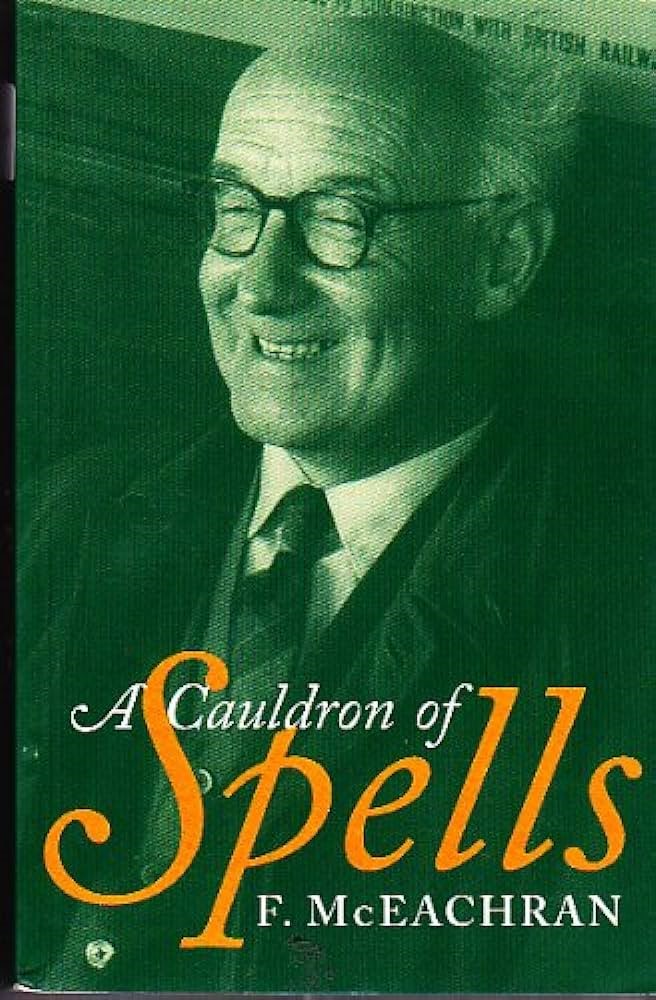
A unique highlight of the Salopian cultural calendar is the McEachran Prize. This unashamedly scholarly yet playful competition is named after iconic Shrewsbury teacher Frank McEachran – or ‘Kek’ as he was known to all.

Kek taught at Shrewsbury from 1935 to 1976. Deeply eccentric – in all the right ways – Kek invented the idea of teaching from what he called ‘Spells’. Pupils were invited to choose short extracts of poetry or prose and commit them to memory. Standing on a chair, the youngster would recite the Spell, and then spirited and scholarly discussion would follow.


This year’s 20 Spells covered authors as diverse as WB Yeats, Jane Austen, Bob Dylan, Karl Marx, Ocean Vuong, Charlotte Bronte, Echiro Oda, Seneca, George Eliot, Oscar Wilde – and the screenplay of the Barbie movie. Contestants from all five year groups read their Spell – then spoke for four minutes on whatever thoughts and ideas the Spell provoked for them.

The rapt audience was bewitched by the heady mix of intellective mischief and learned commentary. In a sound-bite world, where attention spans have shrunk to a matter of seconds, the exercise of close listening for 20 chunks of four minutes is a solid effort. The reward for the audience was a host of mini-epiphanies and intellectual satori.

Those students of Kek who committed Spells to memory decades ago can very often remember and recite them to this day. What truer testimony could there be to the efficacy of this one-off methodology? The inspiration, allegedly, for Alan Bennett’s The History Boys, Kek taught notable Old Salopians such as Sir Michael Palin, Richard Ingrams and Paul Foot (the creators of Private Eye).


Not one to follow a syllabus, Kek was a maverick whose like is probably no longer at large on the contemporary educational landscape. The teaching profession is certainly more… well, professional now. But, anything that triggers the sparkle of unfettered academic play is surely a great thing?

As the 2024 edition of the McEachran Prize unfolded at Shrewsbury School, it was easy to imagine the spirit of Kek smiling down – twinkly-eyed and approving – on this evening of free-range ‘serious fun’ of a distinctively Salopian kind.

Essays https://leowinkley.com/essays/

Dear Ever-Changing Thing

Featured

It was Heraclitus who observed that there is nothing permanent except change.

The great thing about institutions, such as well-established schools, is that this change takes place within the stable context of a long-held identity.

No institution should stand still. Equally, we should not be blown about by passing fads.

Culture is like a colloid: it has a shape but it gently morphs over time. There must be change, but usually it is gentle, measured, deliberate. And fuelled by reflection, listening, honest self-criticism. This is willed change.

A wave of communal optimism seemed to flow from the Queen’s Platinum Jubilee Celebrations. So much was rightly said about the constancy, certainty and loyalty that Her Majesty has brought in her 70 years on the throne. For millions, she has been the still and dignified centre of an ever-changing world.

Times have changed. Some change has been rapid; other change more of a creeping thing. The Queen herself has changed, of course – gathered experience, matured, aged. Yet, she has been constant. Because the things she stands for, the virtues she embodies, are timeless. They do not change. That is what we mean by integrity. If right within…

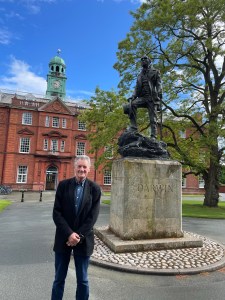
When Sir Michael Palin (OS) stayed with us during his visit [May 2022] to Shrewsbury, he told me how the place felt reassuringly familiar but better in so many ways. It was not just the physical things – the many new buildings and facilities – but the feel and buzz of the place which he said was both true to its past but felt fresher, kinder, contemporary. You’d hope so, really, but it was lovely to hear him speak so warmly of the School he left in 1961. The change he saw was evolution rather than revolution. A forward journey plotted with a familiar and trusty compass.

Sir Michael Palin – with Charles Darwin behind him


Nothing stays the same. Language itself is, of course, an ever-changing thing. For example, I discovered recently that the word ‘fun’ (which I love to couple oxymoronically with the word ‘serious’), originally meant ‘to cheat or hoax’. Hence ‘to make fun of’. However, its meaning gradually shifted to take on the positive connotation of having a good time. The words ‘terrific’ and ‘tremendous’ – undoubtedly good ones to see in your children’s end of term reports – were originally about fear and trembling. To ‘grin’ was to bare teeth in pain; it then became the word for a fake or forced smile, before becoming the real thing.

To be ‘egregious’ was a compliment – ‘eminent’, rather than the modern negative ‘offensive’. ‘Sad’ used to mean ‘satisfied’, then it went to meaning ‘serious’, then ‘grave’ then ‘sorrowful’. ‘Smug’ once meant ‘crisp and tidy’ – a good thing, surely? – but nowadays, it’s undoubtedly something to avoid.

As we enter the closing weeks of an academic year, the pupils are grinning and bearing the seriousness of exam season (public and internal); and our Upper Sixth are approaching the major change of leaving school. The school will change again as new pupils and staff join in September. As times roll on, we must do all we can to avoid being smug or egregious; and to embrace positive change with a tremendous spirit of serious fun…

As our Shrewsbury School motto states: ‘Intus Si Recte, Ne Labora’. If right within, worry not. The right things within us are constant. It is virtues and values of integrity that remain steady and true.

The challenge is to keep hold of them amidst a world of ever-changing things.

Dear Ben Gone to the Sea

Featured

A Letter From Shrewsbury on the poetry of Ben North, who died 18th October 2020, aged 49.

We never met. And now you are gone.

Twitter introduced us. Your final Tweets: some algorithm brought them to me. It told me that you were dying of a brain tumour. Two in fact.

In this strange, garbled age of unfiltered sharing, your words cut through.

Image
Ben North, poet.

You left behind a trail. It’s clear that you were very well loved. Successful. Creative. And I see that you were noble and angry; brave and gentle in your suffering.

The algorithm led me to discover your book of poetry: ‘Thirty-Three Poems: some of which are about death‘. Dying shared. Poetry shared.

They are beautiful. This one, for example, about a clear, crisp night:

Ben North

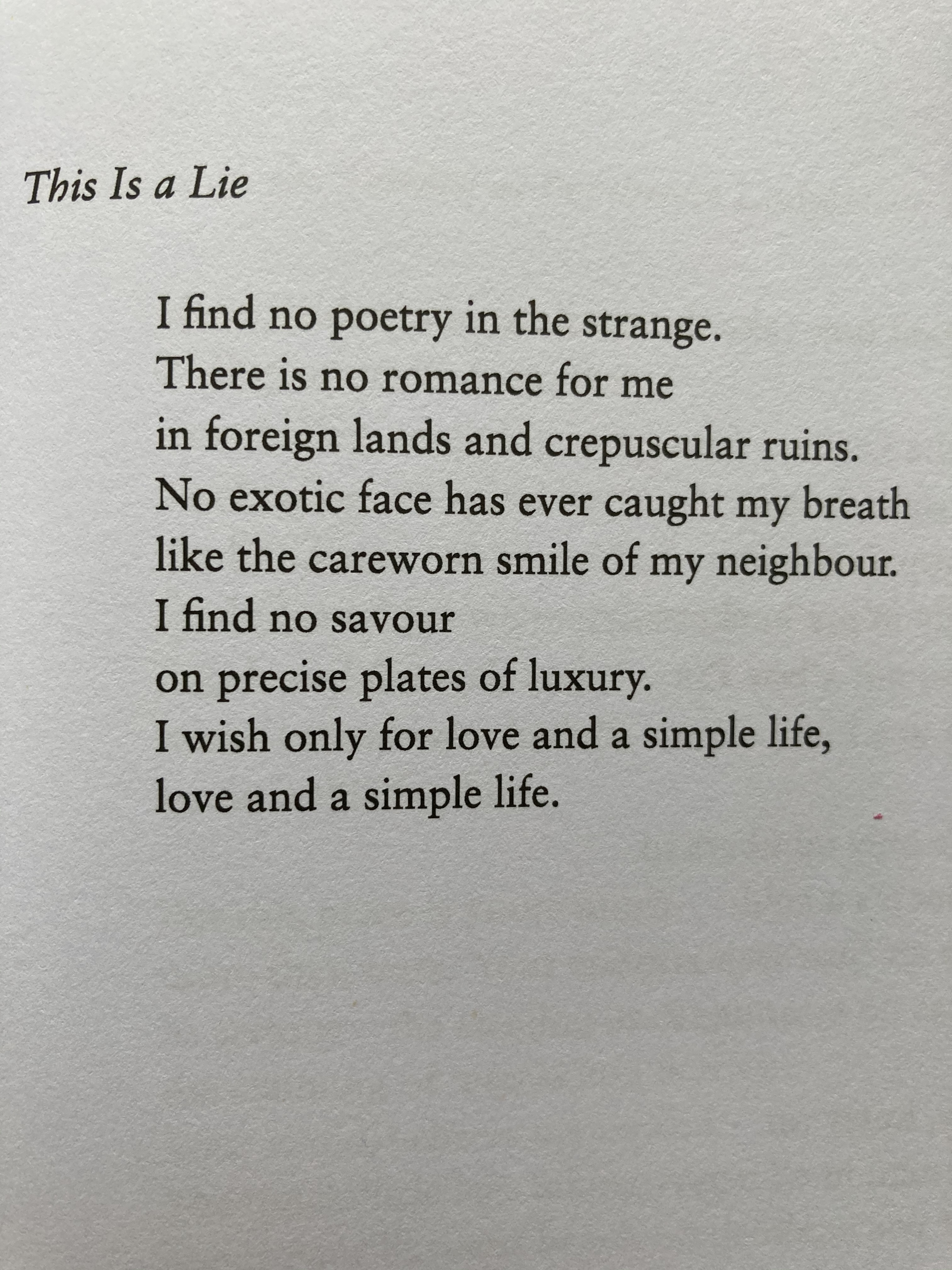
Or this one, clever and wise – ‘This Is a Lie‘:

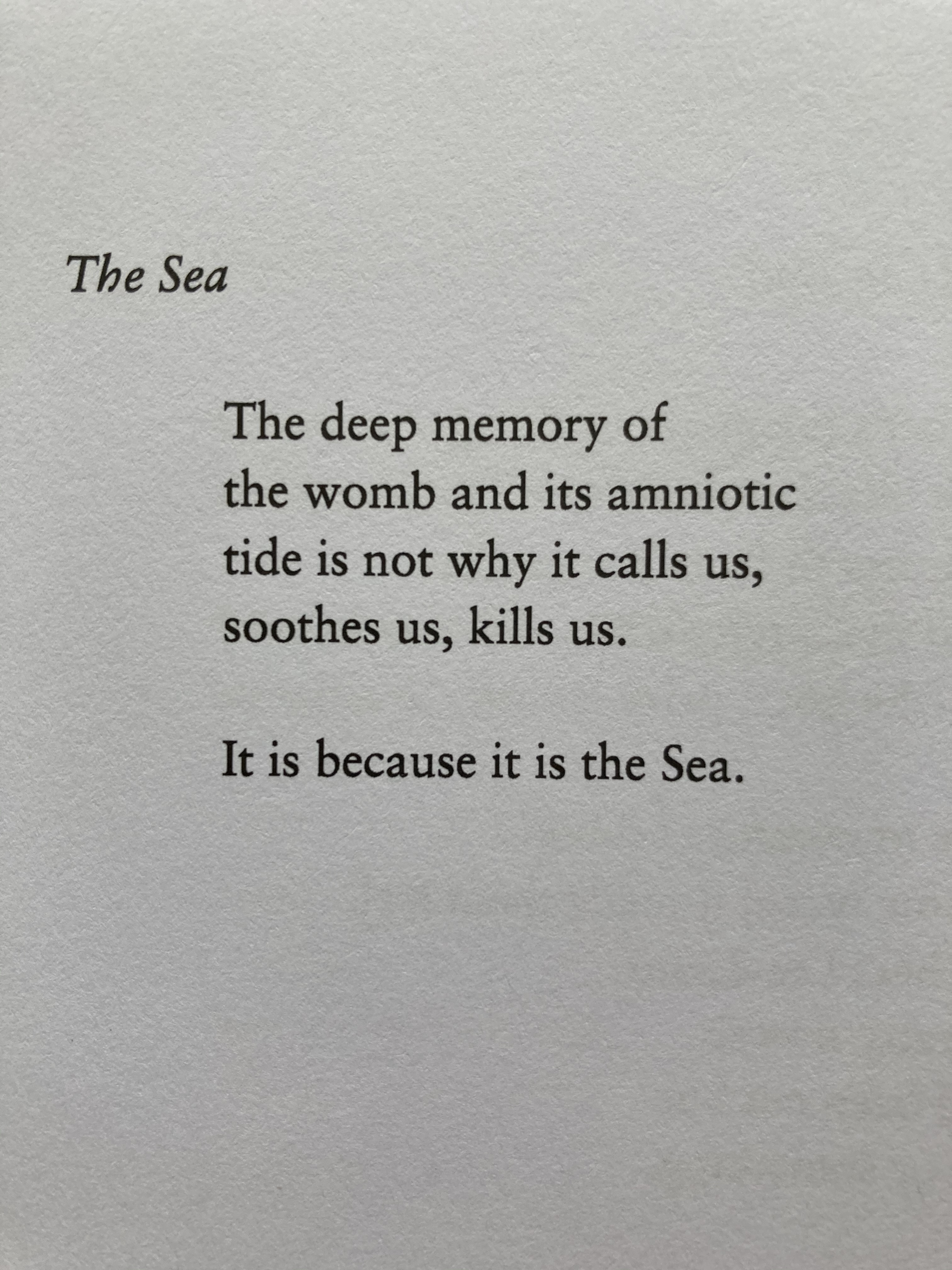
The final poem in your collection is called ‘The Sea‘. As I write this short letter, I am looking at the slate-grey waters of the North Sea. It is five days on from the day you died. I read it again and consider its simplicity, which is its power. It was not, I think, your last poem. But it is an ending:

‘The Sea’ by Ben North

Your poems are not brilliant because you were dying. They are brilliant because they are brilliant.

It’s hard not to wonder what else you might have written. As it is, you are gone; and you leave us 33 poems. A slim volume, you said. Yes, short. But full of wisdom and humanity.

What is the end of a poet? To leave something that endures? To connect? To look at the Sea and put it to words. Before the end of the poet.

Thank you, Ben. We never met – but I feel that I would have liked you very much.

Ben’s volume of poetry is priced £2.99 and available from Amazon.

Dear Dr Johnson

Featured

As one of the most quoted figures in English literary history and the creator of the most famous English dictionary, I wonder what you would make of current times. What words would you have for us?

By current I mean 2020. 236 years have elapsed since you passed away. Your dictionary has been updated and updated. Language doesn’t stand still; it flows. And is a mirror of its time.

2020 is certainly re-shaping the daily dictionary. The word ‘unprecedented’ is enjoying unprecedented use. And terms such as ‘self-isolation’ and ‘social distancing’ are now in the daily narrative. I wonder how you would define a ‘hand sanitiser’? I suspect that you would probably apply a verbal sanitiser to the expression: ‘new normal’.

Was ‘lockdown’ in your first dictionary? (I know that ‘aardvark’ wasn’t. Nor any word beginning with X). Or ‘Zoom’? ‘Quarantine’? ‘Outbreak’. ‘Pandemic’?

Yes, you would take great interest in the words of our current world.

A genuine celebrity of your time, your sayings resonate as strongly as ever. Your witticisms, take-downs and one-liners are legendary. One for almost every situation.

Integrity without knowledge is weak and useless, and knowledge without integrity is dangerous and dreadful“, you warned. And elsewhere quipped that “A fly, sir, may sting a stately horse and make him wince; but one is still an insect, and the other is a horse still“.

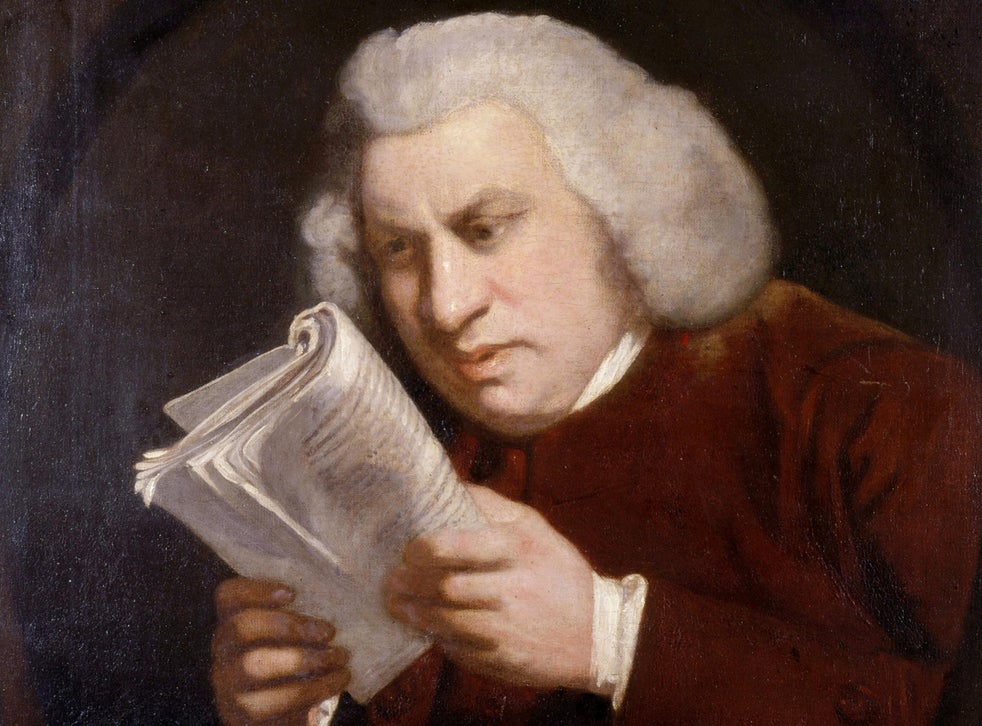
Samuel Johnson: Who was he, and why is he so important to the English  language? | The Independent | The Independent
Dr Samuel Johnson

As we travel in unsteady times, I remember your encouragement:

Life affords no higher pleasure than the surmounting of difficulties”. 

These are difficult times, for sure. And, in our corner of the world, we are having to find solutions to new challenges every day. The children in my school continue to display wonderful energy, as well as good-hearted acceptance of the measures we have in place to keep them, and our staff, safe. Equally, there is abundant positivity. My colleagues do wonders daily – and defy words at times.

As you wisely observed, “A man’s [by which you meant person’s] mind grows narrow in a narrow place.”  I see Shrewsbury as a place of breadth in all things. And these times demand wide thinking, not narrow minds. 

The word most used in 2020 is a new one. Coined by the World Health Organisation – something that certainly didn’t exist in your day. Covid. So far this year, this new word has been used in print more than any other in the English language.

You wisely advised: “None but a fool worries about things he cannot influence”.  As we move through difficult times, we will heed your call to focus on the things that are within our control.  In my case, that is giving the pupils in our care the best environment and challenge that we possibly can. And urge them as you did:

“Curiosity is one of the permanent and certain characteristics of a vigorous intellect”.

Curiosity and stickability. (Another word for your dictionary, Sir.)

Yours in words.

Leo

Letter written on 18th September 2020 – your 311th birthday.

Dear Jeremiah

Featured

You and your kind seem to be everywhere.

If we spend any time following the news media, we know how much has been said about education.  About the process of awarding grades; about the fairness or otherwise of our education systems; about the process of re-opening schools.  So much of it negative.

More broadly, the reality of COVID-19 in the UK and across the world has utterly dominated.  Understandably. And with good reason. But, this dominance has meant that we have all got used to living with some very negative narratives.    

We have been living with a pervasive language of limitation; a language of blame; and a language of fear.  This must have had an impact on even the most upbeat of people. I think we need to work hard to reclaim a language of possibility; a language of responsibility; and a language of hope.   

The language we use – the way we frame things – will have a direct effect on the children in our care and indeed all with whom we spend our time.  We need to find a way back to more positive language.

To illustrate: let’s consider the example of a child who has climbed a tree.  And got stuck.  She is getting panicked; holding onto a branch.

There is an adult below who calls up to the child. He thinks about what to call out: “Don’t let go!” or “ Hold on tight!”

Which is more likely to encourage child to cling on until she can be reached and brought safely down to earth?

  • Don’t let go!
  • Hold on tight!

Surely it’s the latter: Hold on tight!  Because negative commands and prohibitions can become fixating – paralysing even. In this particular case, ‘Don’t let go!’ reinforces the fear of falling. ‘Hold on tight!’ reinforces the hope of staying safe.

Hold on Tight!
Photo by Valeriia Miller on Pexels.com

The news media will continue to frame its language as it chooses. I suspect that the negativity, the fear and the blame will continue for a while yet. Of course, there’s a lot to think about and we need to be conscious of risk. The world needs its mixture of pessimists and optimists. We need the optimists to build the aeroplanes; and the pessimists to design the parachutes.

This is a simple but necessary point about the negative effect of negativity; and the positive effect of positivity. It’s time to lift the mood, Jeremiah.

In schools, as we welcome the children back from a long time of separation, it is important for us to assume a language that is responsible – but is framed as positively as possible. Things are getting better; we are more in control. It is vitally important for the children in our care that we are affirmative in how we present and interpret daily life. 

This doesn’t mean having our heads in the clouds.  It is a matter of affirmative presentation. In education, we should be holding on tight to the excitement and optimism that flow freely at the start of a new academic year.  Even if we are starting in a time of limitation, we should focus our talk on all the possibilities ahead and let go of the negativity.

Dear ‘So’

Featured

So.

For a little word, you’ve been enjoying a very high profile lately.  Wow – you’re positively everywhere!  Indeed, it has come to my attention that you are at the start of so many sentences, you’ve become ubiquitous. You’ve never had it so good!  

All kinds of utterances seem to feature you right at the start.  In everyday speech, you seem to be the opener of choice.  Everywhere, it’s ‘so’, ‘so’, ‘so’.  How did you get to be so prominent?  You really know how to get noticed.

A few years ago, it used to be ‘Look’ that opened the batting.  Along with her partner ‘Right’.  Or, ‘Well’.  Or ‘Now, then’ – remember them?  Or even that rather clumsy fellow, ‘Er’.  Not so anymore.  They’ve become also-rans.  It’s all ‘so’ now. 

Yes, you’re everywhere, ‘so’.  In Tweets, on news interviews, in texts.  Always up there at the front of things.  So obvious you can’t be missed.  Sometimes short and punchy; other times drawn out and deliberate. Always there.

So, you see – it’s great to see your confidence, but there was a time when you used to be in the middle of things.  Holding things together rather than striding out in front on your own. 

That said, it’s important to be in the middle of things from time to time, so it is.  True, you were less prominent back then, when ‘Look’ and ‘Right’ were top of the pile.  Your celebrity status was so-so.  (Although I remember you on a Peter Gabriel album when I was at school – that was pretty big). Now, you are at the front of so much. 

Maybe… just a little too much?

Don’t get me wrong – it’s great to lead from the front.  Sometimes.  Maybe not all of the time?  Sometimes it’s good to let others lead every so often.  (Note to self, so help me!). 

Could I be so bold as to offer some advice?  A word of warning?  I wonder whether you might be getting just a little overexposed?  I just worry that, in the not-so-distant future, people will tire of you.    

Insomuch as I’m one to give advice, will you take this in the spirit it’s meant?  Certainly not a matter of urgency: just something to be aware of when you get a moment on your own.

So. Will you give it some thought?  I hope so.  You have so much to offer.  In smaller amounts.

Till we meet again, it’s so long.  (Or, more likely, not so long….)

Leo

PS I realise I’ve used you over 30 times even in this short letter.  So sorry!