What do we feel when we stand at the border between two countries? What changes when we move over a borderline? Or when we pass roadsigns welcoming us into Wales or over the border into Shropshire. What do we do if we ever find ourselves on the notional line of the Equator, with one foot in the Northern Hemisphere and one in the Southern? What happens when we play on the imaginary line between time zones: one small hop and we can go back – or forward – in time? Borderlines ask us questions.
In a sense, borders and boundaries are simply imaginary lines drawn on maps. Yet, we know that they matter enormously. Borderlines define identities. They have often been the cause, or the consequence, of centuries of conflict and dispute. But, they can also be markers of peaceful co-existence and mutual respect.
One of the most unusual national borders in the world lies on a tiny island called Märket, a small rocky outcrop in the Baltic Sea shared by Finland and Sweden. The story begins in 1809, when Sweden lost Finland to Russia after the Finnish War. The new border passed directly across Märket. In 1885, the Russian authorities, who governed Finland at the time, built a lighthouse on the best spot on the island. It turned out to be on the Swedish side of the border.
For many years this was simply tolerated. It was just a scrap of rock after all. But in 1985, one hundred years on, Finland and Sweden agreed to redraw the boundary. The result is one of the strangest borders in the world. It looks as though the map-maker’s hand got jogged at a vital moment; or was under the influence. Rather than transfer territory, they created an extraordinary zig-zag border that placed the lighthouse on the Finnish side whilst ensuring that neither country gained nor lost land overall. Faced with a potential disagreement, the two countries listened, negotiated and compromised.
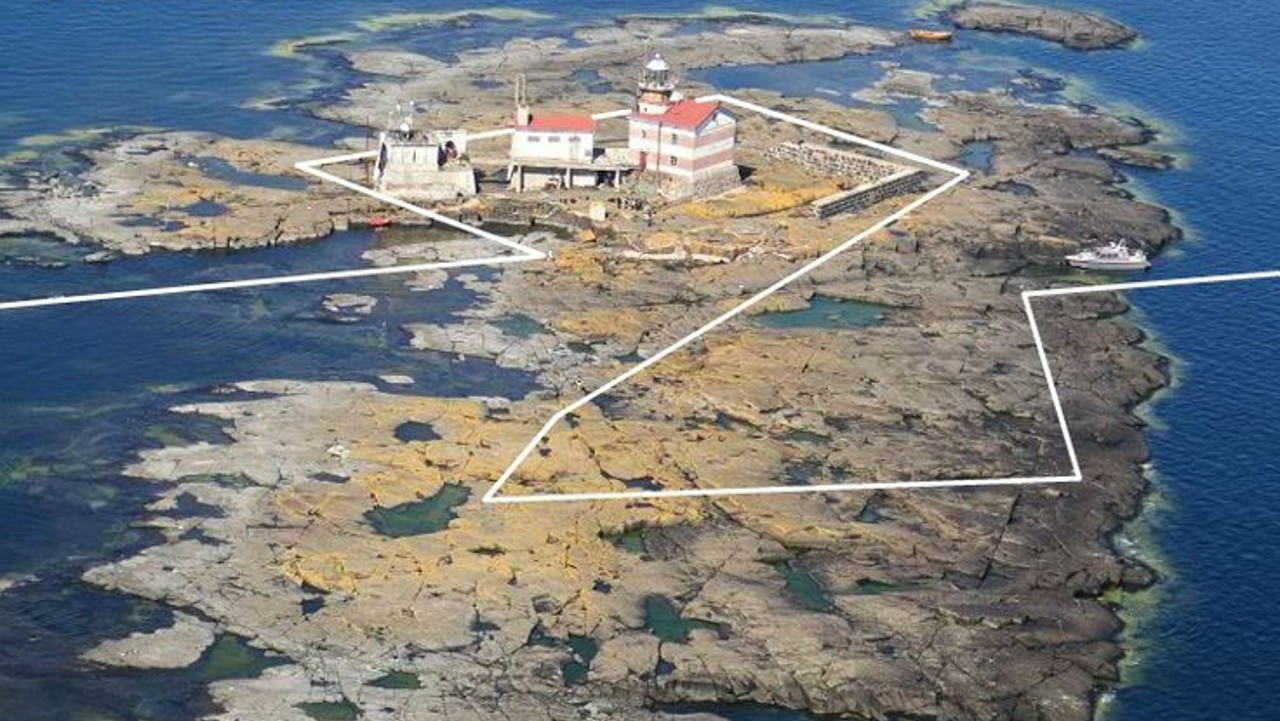
Of course, we might say, this was easily done on a piece of rock that no-one was particularly interested in. But, you get my point: for me at least, this wonky line is an emblem of friendly co-operation. Indeed, over the years, I have become increasingly suspicious of straight lines. Direct and straight is not always best. The looping route is often kinder, more real: better.
There are many other curious borders around the world. Near the boundary between Belgium and the Netherlands lies the town of Baarle. There the frontier twists through streets, houses and shops. Some people literally live in one country while their neighbours live in another. In certain homes, the front door is in one nation and the back door is in the other. You can cross an international border simply by walking through your own house.
The border between Canada and the United States is the longest international border in the world. Across forests, lakes and mountains, it stretches for thousands of miles. In some places there are roads where one side belongs to Canada and the other to America. Families, businesses and communities thrive because they have learned how to cooperate across that line.
Even stranger is the Spanish town of Llívia, which sits entirely inside France. A resident may leave a Spanish town, travel several kilometres through France, and arrive in Spain again without stopping at any checkpoint.
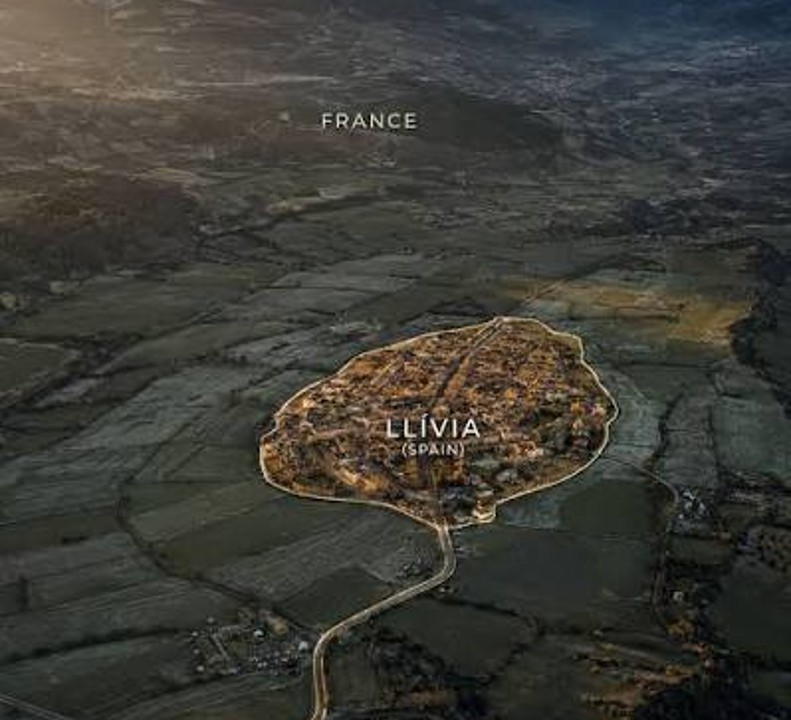
This unusual arrangement has survived for centuries because practical cooperation has proved more valuable than constant dispute or bureaucratic pettiness. In this case, a border can be both real and invisible.
Sadly, we know that so many boundary stories are negative. Borderlines often delineate places of suffering, othering and oppression; conflict and inequity. Consider The Gambia, whose shape was largely determined by colonial agreements between Britain and France.
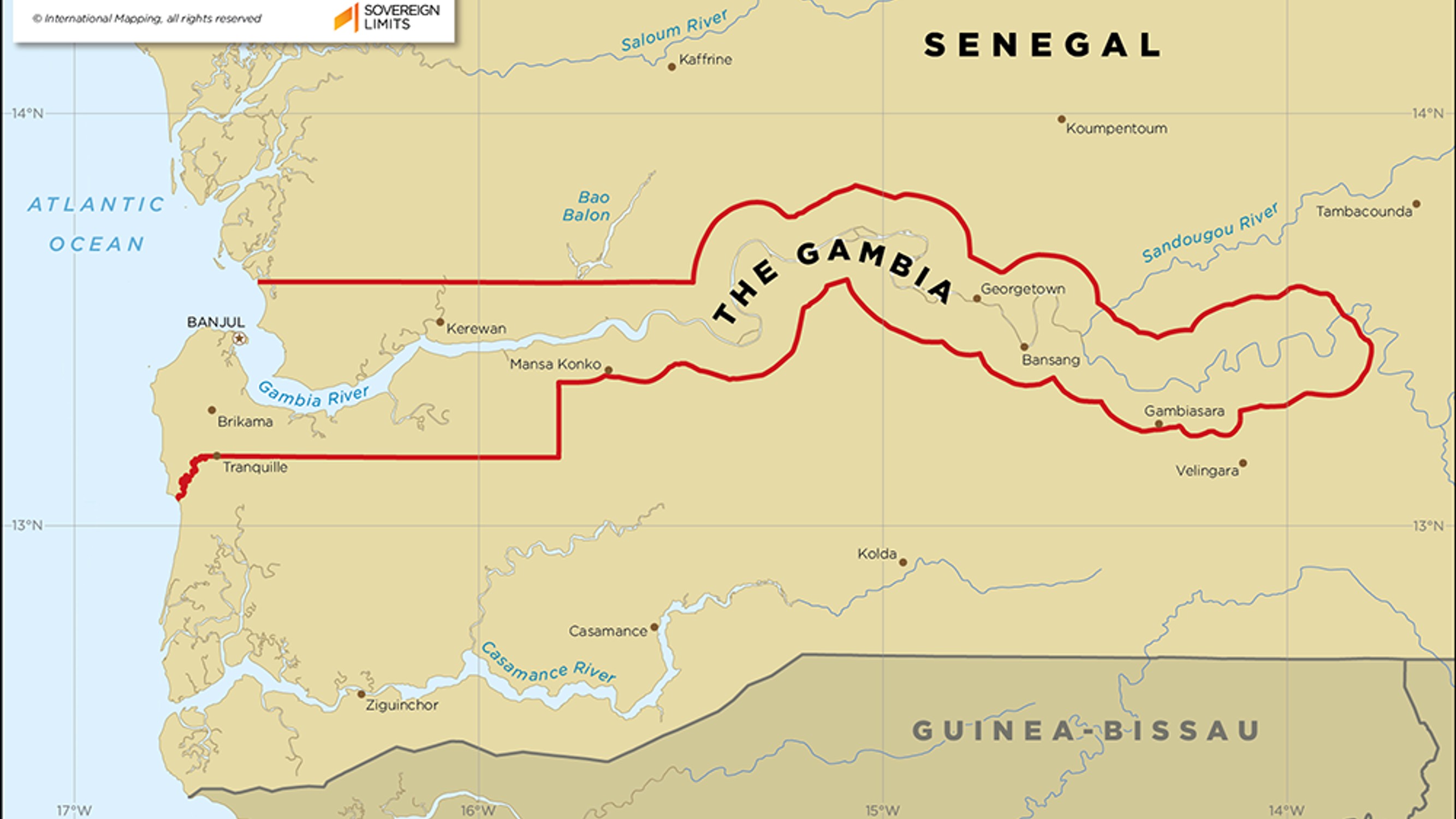
It stands as one of countless reminders of a dark chapter of history, when powerful nations divided and plundered territories and exploited peoples for their own advantage. That legacy should give us pause for thought.
Think of the indigenous people of so many lands – Australia, Canada, the US, Africa, South America – whose boundaries and lives were swept aside and brutalised by greedy, straight line-drawing colonisers. These are dark, dark stories. Dark, dark borders. We see the neat lines – often drawn by conquering rulers – with their conquering rulers. Here, there, everywhere: the lines on the maps are scars.
We know that many of the world’s grimmest conflicts – past and present – derive from aggressive and possessive attitudes to land, often with deeply complex religious, economic or political ideologies clashing. We think of Israel-Palestine. Ukraine. And countless other examples in the past. The troubled border between Northern Ireland and the Republic. The Sudetenland and Czechoslovakia. The partitioning of India and Pakistan in 1947. The Berlin Wall.
Yet the borderline examples I have chosen, Dear Borderline – and there are others – remind us of something more hopeful. That carefully managed boundaries can promote co-existence.
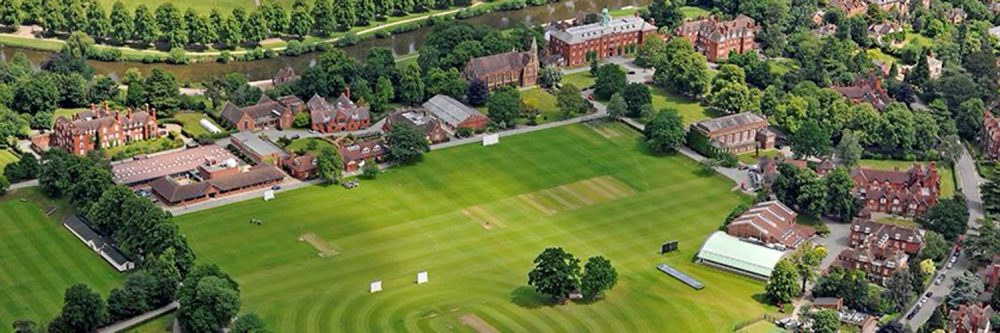
In our context at Shrewsbury, this 110 acre nation of Kingsland is a little island state – with borders and indicators of our shared territory. We are also a relatively open site with several ways in and out. We have a public right of way that goes right the way through our site. This means that anyone can legitimately walk (often with their dogs) through our territory. We have signs that politely tell them where they can, and should not, go. This needs regular reinforcing.
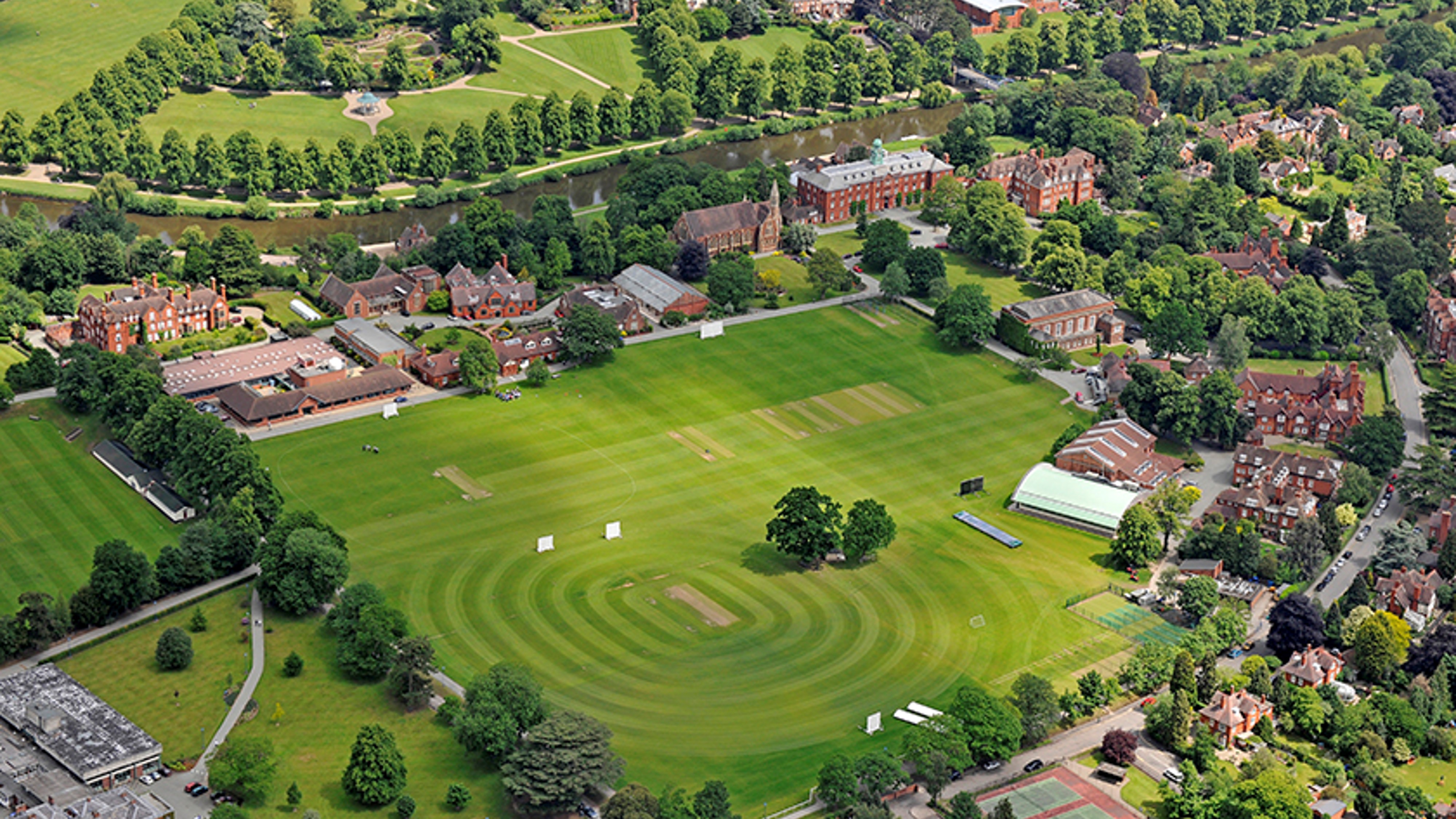
We are always welcoming visitors. We check them in to keep pupils and staff safe. We are vigilant and politely challenge straying or unbadged visitors to our land. But, on balance, we like the feel of being a welcoming community. Our boundaries are there, but they are porous. They are managed carefully, putting pupil wellbeing and safety first, but always wanting to be respectful of others.
The American poet Robert Frost famously wrote that:
“Good fences make good neighbours.”
Borderlines provide clarity. They define where laws apply and where governments have responsibility. Like fences or hedges around a property, they help organise the world. Yet healthy borders are not simply barriers. Their purpose is not to prevent all contact. The best borders create order while still allowing cooperation. They help different groups interact respectfully.
The same principle applies in our own lives. Every one of us has personal boundaries. We all need moments of privacy; personal space and time to ourselves. We each have different personalities, preferences and ways of working. Respecting those differences matters.
At the same time, none of us thrives entirely alone. Human beings need friendship, teamwork, conversation and support. Just as countries benefit from good relationships with their neighbours, people do too.
The challenge is finding the right balance. Too little respect for boundaries can create conflict. We intrude upon others, ignore their needs or fail to respect their space. But an over-emphasis on separation creates problems as well. We become isolated. We stop listening. We begin to assume that anyone different from us must somehow be wrong.
On the international stage, borders remain deeply complicated. Some leaders seek to expand them by force, as we have seen in Ukraine. Other nations build walls to keep migrants out; or use sea patrols to prevent refugees from reaching their shores. Borders raise difficult questions. Simple answers are rare. Straight lines are often a sign of narrow thinking.
In my view, the wisest, most mature societies understand that coexistence requires both confidence and humility. They know who they are, but they also recognise that they can learn from others. They embrace a sense of pluralism; understanding that difference is strength.
In a 24-7 boarding school, we share classrooms, sports pitches, corridors, a dining hall, shop and cafe, house spaces and bedrooms. Hundreds of people live and work together every day. We come from different backgrounds, cultures, beliefs and experiences. Just as countries have borders, each of us has personal space, possessions, routines and needs that deserve respect. Being considerate about noise, keeping shared areas tidy, using resources responsibly and taking privacy seriously are all ways of recognising those boundaries.
But that is only half the story. Living well in a community also means crossing boundaries positively. It means speaking to someone outside your friendship group. It means listening to views that differ from your own. It means recognising that another person’s perspective may be shaped by experiences very different from yours. Difference broadens us. It challenges us. It helps us grow. That is why the strongest communities – the best teams – are not those where everyone is identical. They are those where people learn to live alongside difference with generosity and respect.
So, the Finnish and Swedish negotiators who re-drew the borderlines on Märket understood something important. Maintaining a good relationship was more valuable than winning an argument. Preserving trust mattered more than claiming every last metre of territory.
In our friendships, our houses, our classrooms and our wider community, differences will always arise. The question is not whether they will exist, but how we respond to them. Do we become defensive and entrenched? Or do we listen and seek understanding? Do we focus on what divides us, or on what we share? Do we insist on winning every disagreement, or do we work towards solutions that allow everyone to flourish?
The strange borders of the world remind us that peaceful coexistence is rarely accidental. It is built through patience, respect, empathy and compromise. In a boarding community, respecting one another’s space matters. But so too does reaching across those boundaries with kindness and understanding.
For it is often at the borderline between different people, different ideas and different experiences, that the richest learning takes place.

