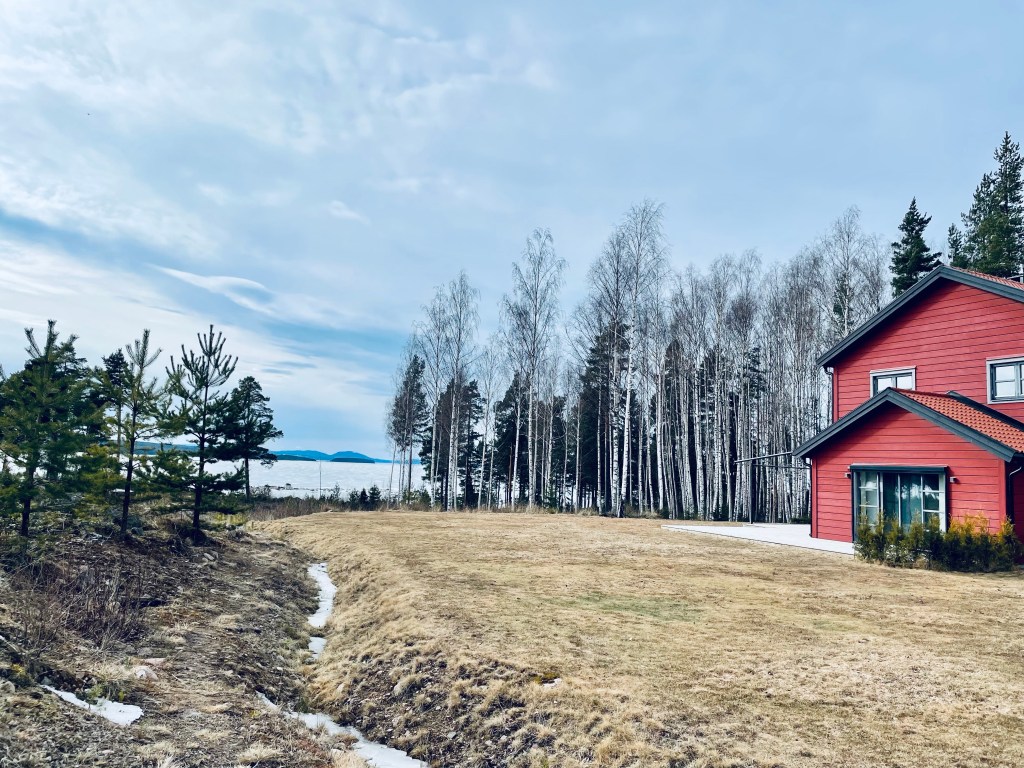
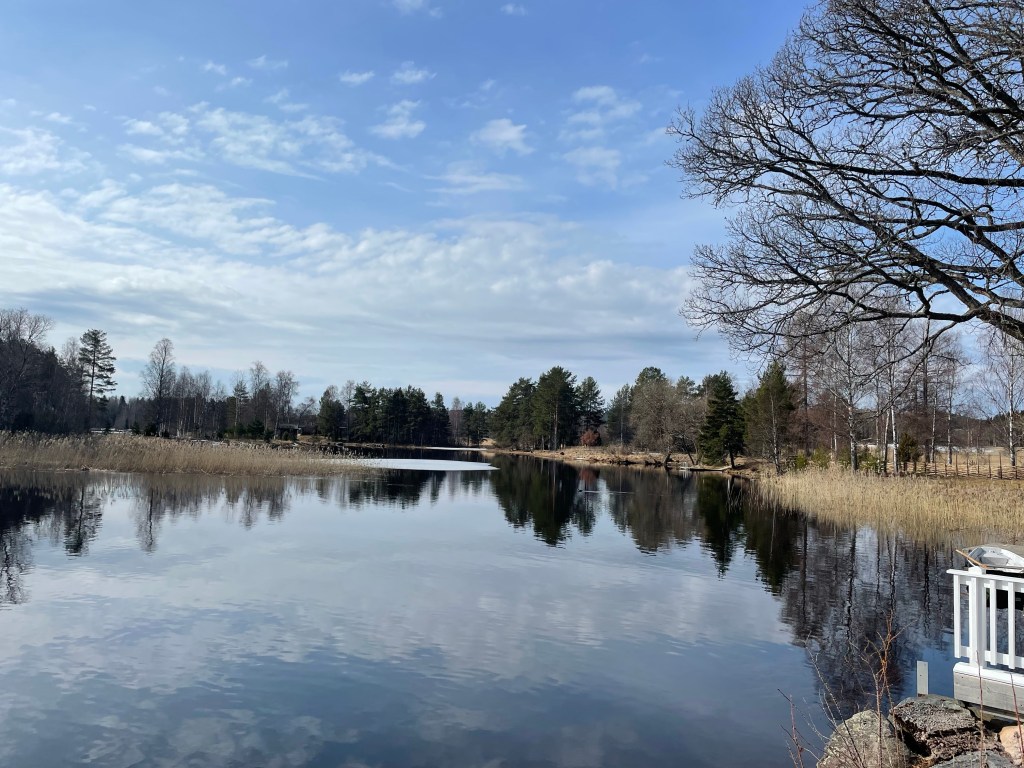
Swedes famously love their space. And they have lots of it. A population of around 10 million is dispersed across a country twice the size of the UK. When the two metre rule was relaxed during the Covid pandemic, Swedes were said to be relieved to revert to their preferred social distancing of seven metres! With over 95,000 lakes, it is a country of big skies and vast forests, inhabited by wild bears, elk, moose, reindeer… and interesting people.
Meeting and talking with our excellent hosts in Sweden, I sensed an unusual mix of conformity, privacy and respect for communal values with a spirit of egalitarianism, individualism and innovation. Not only has this small nation produced Abba, IKEA, Spotify and Bjorn Borg, but I discovered that it was Swedes who invented the cell phone; GPS; the adjustable wrench; the computer mouse; paper cartons; dynamite – and safety matches.
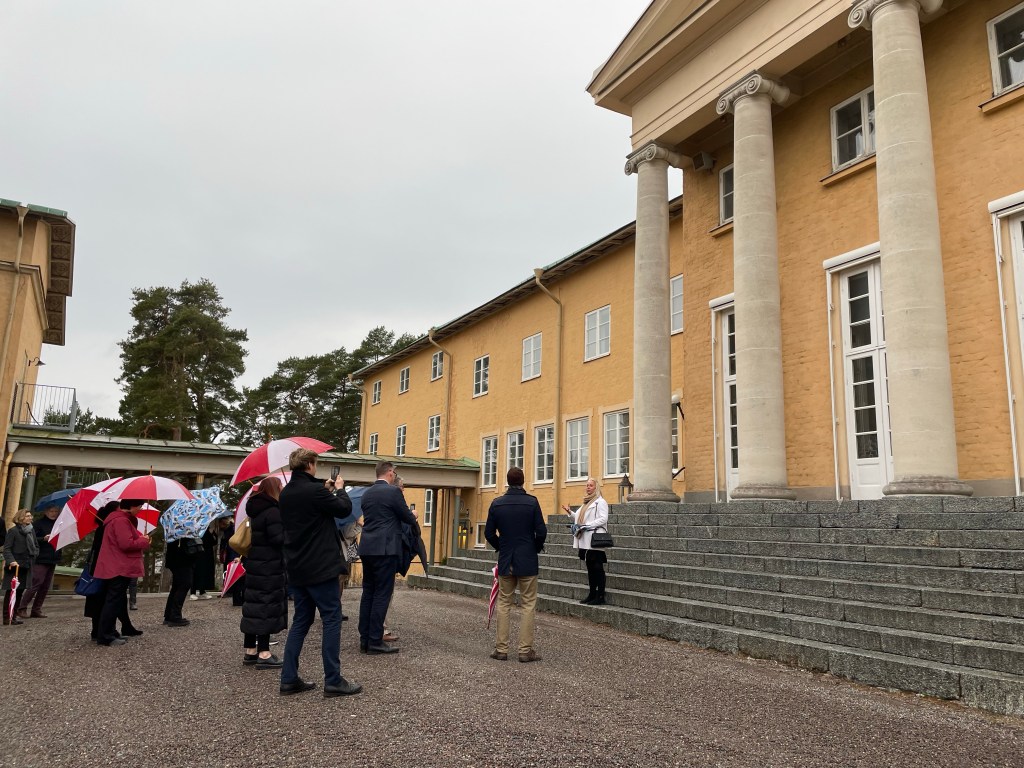
In April 2023, I spent five days in Sweden for the G30 schools conference. It’s a lovely honour to fly the flag as one of three UK schools in membership of this international group of independent schools which includes educators from India, China, the US, Canada, Australia, South Africa and various European countries. The group enjoys fellowship, idea-sharing and exploring future trends in global education.
This time round, as well as gaining an insight into Swedish culture, we spent five days discussing and engaging with experts on global themes in education. As educationalists, and as parents, our overriding concern for schools is to provide the best possible educational experience and preparation for life. Top of the discussion agenda was the rapid development in Artificial Intelligence and what opportunities and challenges this entails for schools, for learners and teachers, for families. What does AI mean for the schools of the future? For the role of the teacher? The role of the learner? How might AI enhance (or threaten?) the extraordinary value of in-person learning in a full boarding school.
Back at school after the conference, I shared with colleagues and pupils some of my impressions of Sweden (and dodgy Swedish pronunciation) and the uniquely human skills that drive innovation – above all, curiosity. With AI innovation racing ahead at a phenomenal pace, pushing into new territory every day, it’s vital that we work out what human processes and values we want to prioritise, protect and preserve. We need the machines to free us to be more fully human. At Shrewsbury, we have started conversations with colleagues and pupils on how we keep pace with – and benefit from – this fast-changing digital world whilst holding strongly to the specialness of human interaction.
The Swedes are said to embrace the concept of ‘Lagom’. This involves a habit of moderation; the avoidance of extremes – what we might call the Goldilocks principle. Or (if you prefer higher brow references) Aristotle’s Golden Mean or the Middle Way of the Buddhist Dharma. We live in times of increasing polarisation in the media and public narratives. Boo to this! Hooray to that!
Human beings contain multitudes and our identities are complicated. The ability to listen and hold a variety of ideas in tension – these are vital high order skills. In fast-moving times, when so many things trigger outrage and blame, it is important to have the presence of mind to pause. To find space to consider our thoughts and check where we stand. Most things in life are nuanced, complex, subtle.
Which brings me to another striking feature of Swedish culture. Fika. This is the delightful custom of making time for a coffee and a treat with friends. Daily. Or even several times a day. This habit brings people together in a shared pause. It reinforces bonds; lifts moods and aids perspective. And fuels the phenomenal coffee and confectionary industries in Sweden!

Taking time to pause is important on a human level. It is also important – at the risk of sounding high-minded – important on the level of civilisation. Just because we can do something, for example with technology, doesn’t mean we necessarily should. Fika needs to be built into our rapidly-moving conversations on AI. We need time and space to deliberate.
That said, I am excited and optimistic about the future of education. Especially whole person education in our seven day boarding model. We know that the ‘power skills’ (sometimes called soft skills) our children develop transcend digital simulation (so far). Persuasion, creativity, curiosity, collaboration, emotional intelligence, adaptability. And we know the power of our fully human values to guide our intention and action. No human community does this better, in my opinion, than the British full boarding school. And so, onwards we go!
Education is all about travelling from childhood to adulthood: and enjoying the serious fun of this journey. As they grow, we need our children to appreciate nuance; to take their time to form and challenge viewpoints; to have principles but avoid being strident or – as they might say – ‘judgey’. Most of all, we need them to think for themselves, rather than sponge up the norms of the echo chamber. We need them to be critical and reflective, rather than parroting the views of their algorithms.
Being true to ourselves is important, but so is belonging to something bigger – and accepting that this communality sometimes means compromise. Having a cause and caring about things – this is important; but so is the ability to detach and keep some perspective. For this, we need to allow ourselves space.
To aid this gentle cycle of connection, detachment and re-connection, I’ll be trying hard to channel my newly-discovered, inner Swede. Whatever the pace of change, whatever the issue of the moment, there should always be a space and time for Lagom and Fika.

 Leo Winkley: Letters From Shrewsbury